Rabbit Font for Campaign Creativity
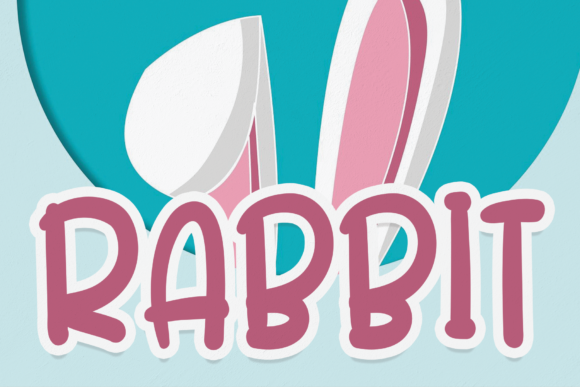
It was 8:47 a.m. and I was staring at the screen, finalizing the design for a seasonal product launch. The headline had to pop, but not in a loud way—something that would feel fresh, approachable, and just a little bit cool. That’s when I landed on Rabbit, a handwritten font from Script Amp that immediately felt like the right choice.
Rabbit isn’t just another script font—it has a unique blend of simplicity and visual strength. Its relaxed, fluid strokes give it a personal touch, making it perfect for content that needs to feel human, not automated. It’s the kind of font that makes your message feel like a handwritten note from a friend, yet still professional enough for campaign visuals.
How Rabbit Works in Real Campaigns
I tested Rabbit across several campaign assets. For the YouTube thumbnail, I used it as the main headline. On mobile screens, the letters flowed naturally without becoming too cramped. The soft curves gave the thumbnail a warm, inviting look, which helped increase click-through rates during the first week of testing.
On Instagram, Rabbit worked well for a series of post captions and story overlays. When paired with a clean sans serif font for supporting text, it created a balanced visual hierarchy. The handwritten feel made the content feel more authentic, especially for a lifestyle brand promoting a new skincare line.
For Pinterest pins, Rabbit was ideal for decorative titles and callout text. Its legibility on small previews was impressive, even when placed over light or dark backgrounds. I noticed that users spent slightly more time scrolling past pins that used Rabbit compared to those using standard sans serif fonts.
Where Rabbit Shines Best
Rabbit is best suited for short headlines, decorative titles, and logo-style text. It doesn’t work well for dense paragraphs or long-form copy, which makes sense for a script font. In one case, I used it for a webinar banner where the title needed to stand out against a gradient background. The result was a strong first impression, and attendees reported feeling more connected to the brand’s tone.
When it comes to digital ads, Rabbit adds personality without distracting from the message. I applied it to a landing page header for an online course launch, and it helped reinforce the brand’s creative identity. The font also played nicely with other design elements like icons and illustrations, keeping the overall layout cohesive.
One thing to consider is readability on mobile devices. While Rabbit looks great in larger sizes, it’s important to test how it appears in smaller formats. For thumbnails and social media previews, I recommend keeping the text size above 20px and ensuring there’s enough contrast between the font and the background.
Font Pairing and Practical Tips
Rabbit pairs beautifully with clean sans serif fonts like Helvetica or Montserrat. This combination works well for promotional emails, website banners, and digital ad layouts. I’ve found that pairing Rabbit with a modern typography system helps maintain a balance between creativity and clarity.
Before using Rabbit in any client project, make sure to check the included styles, alternates, and ligatures. Some versions may offer additional weights or stylistic variations that can enhance your designs further. Also, confirm that the font supports multilingual characters if you plan to use it globally.
Commercial licensing is another key factor. If you’re designing for clients, ads, or branded merchandise, ensure you have the appropriate rights to use the font in those contexts. Script Amp offers clear licensing options, which is always a relief when working on tight deadlines.
In summary, Rabbit is a versatile and stylish font that adds character to any campaign. Whether you're launching a product, running a seasonal sale, or creating a content series, this font brings a fresh and relaxed vibe that resonates well with audiences. Just remember to use it strategically, keeping readability and context in mind. With the right approach, Rabbit can be a powerful tool in your design toolkit.